


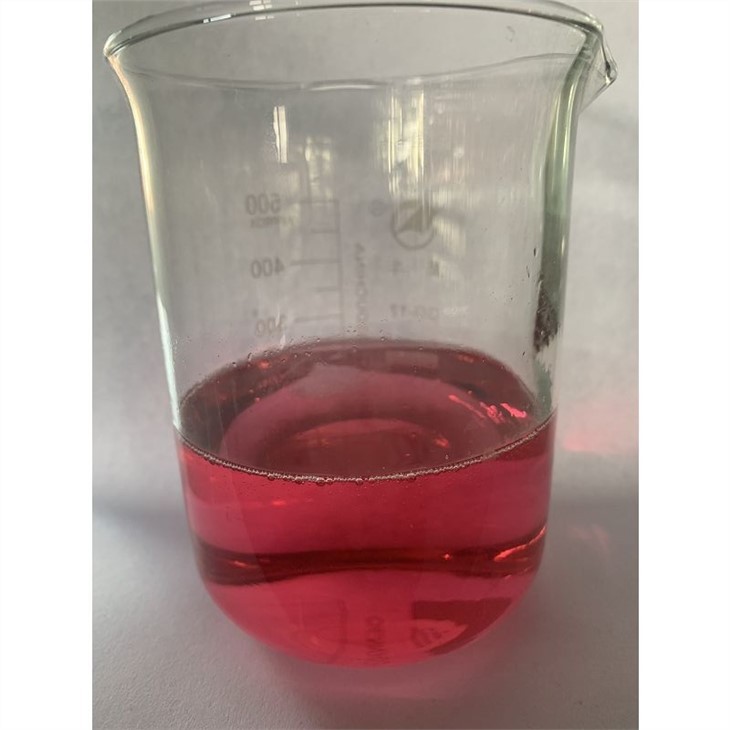
Water-ethylene Glycol Refractory HFC-32
Water glycol fire resistant hydraulic fluid is the hydraulic medium used to transfer the ability of hydraulic system. It is made of ethylene glycol, organic polymer and a variety of additives. It has excellent fire resistance, lubrication, low coagulability and rust resistance. To ensure the normal operation of the hydraulic system, the filling process of the water glycol fire resistant hydraulic fluid must be operated according to the specified process. Otherwise, the hydraulic system may fail to operate normally, resulting in losses in the production. The water glycol hydraulic fluid filling process is generally for hydraulic system cleaning and cleaning - add new liquid cycle - discharge new liquid cycle - add new liquid cycle and check residual oil.
1. Cleaning and cleaning the hydraulic system. If the traditional hydraulic oil is replaced with water glycol fire resistant hydraulic fluid, the hydraulic system must be cleaned and cleaned before water glycol hydraulic fluid can be added. Because the water glycol hydraulic fluid is water-based, and the stock liquid hydraulic oil is oily, the reaction is easy to occur after mixing, affecting the normal operation of the hydraulic system. First of all, the residual hydraulic oil in the hydraulic system is eliminated as clean as possible, and try to drain all the residual oil in the pipeline and valve chamber, empty the oil cylinder and accumulator, remove the residual sediment and oil scale and sediment in the tank, and wipe the tank with a fiberless cloth. Since water glycol hydraulic fluids soften and peel off most industrial paints, if paint is painted on the inside of the tank, use paint remover to clean it before replacing it with hydraulic pressure.
2. Add new liquid circulation Add new water glycol hydraulic fluid according to the amount required by the hydraulic system circulation, so that the hydraulic system has enough time to exhaust, start the pump for low pressure circulation, so that the liquid temperature rises to 20-30℃, and ensure the hydraulic system runs for 8-48 hours. Check the filter several times during the normal operation of the hydraulic system, and replace the filter element according to the situation of dirt. Check the filter for the first time after 2-3 hours of operation, and replace the filter element in time when dirt is found.
3. After 8-48 hours of operation of the hydraulic system, stop the pump and immediately discharge the new circulating liquid in the tank. It is not allowed to stand. If residual oil floats on the surface of circulating liquid after standing, it will adhere to the inner wall of the tank in the process of drainage and cannot be cleaned up. Check the bottom of the tank again after draining, and clean and wipe.
4. Add new liquid circulation and check the residual oil. Add new water-ethylene glycol anti-fire hydraulic fluid to the hydraulic system again. After a week of operation of the hydraulic system, stop the pump and check the oil slick in the tank. If there is an oil slick, clean it immediately before running the system. Check the residual oil in the tank regularly during the operation of the hydraulic system, and remove all the oil slick as far as possible.
Populiarus Žymos: water-ethylene glycol refractory hfc-32, China water-ethylene glycol refractory hfc-32 manufacturers, suppliers, factory
Tau taip pat gali patikti



Siųsti užklausą